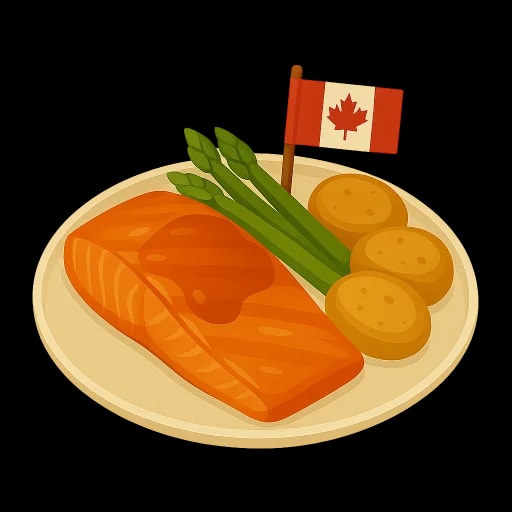
The name reaches back to the Albion Hotel, which opened on this downtown Ottawa site in 1871, and the restaurant that carries it now treats that heritage as a working premise rather than a decorative one. The Albion Rooms is a contemporary Canadian dining room built on a farm-to-fork philosophy — local producers, seasonal sourcing, house-cured charcuterie, most of the work done in-house — set into one of the ByWard Market's older addresses. It is the kind of place that could have settled for being the restaurant attached to a downtown hotel, and instead decided to cook like an independent kitchen. Dinner runs seven nights a week, the first sign the kitchen is aiming well past lobby convenience.
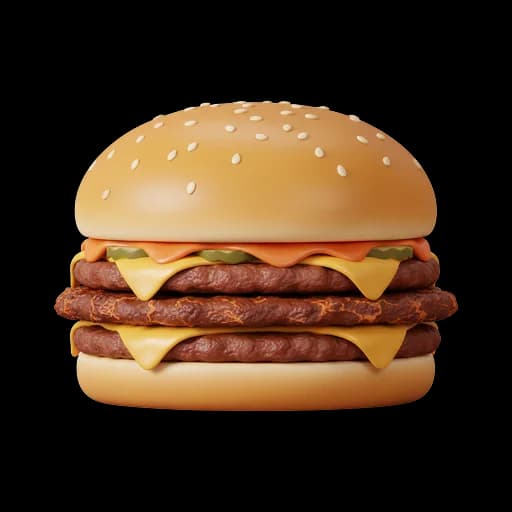
The dinner menu makes that philosophy concrete. The charcuterie and cheese board is the centrepiece, a share plate of house-cured meats and accompaniments meant to open a table's meal and stand in for the whole approach. From there the kitchen moves through seared scallops set over cauliflower, romesco and chive oil; a duck breast finished with a foie gras jus; and the AR Burger, a brisket-and-chuck blend stacked with Brie and a bacon-mushroom ragout. The smaller plates carry their own ideas — fried goat cheese with local honey, a wild mushroom toast, a green peas risotto built for the table that is skipping meat — so a meal can stay light or build into something substantial without ever leaving the page.
That range carries across the week. Lunch, served Wednesday through Friday, loosens the register with a Korean grilled cheese and a pork belly banh mi alongside lighter sandwiches and bowls. Weekends open late into brunch, where the kitchen reworks familiar plates with the same instinct it brings to dinner: a brioche French toast, eggs benedict, a breakfast dish or two that wander toward shakshuka. None of it feels like a separate, lesser menu. The same dining room answers a quick weekday lunch, a cocktail-hour table, and a slow Sunday plate without forcing anyone into a single kind of visit.
What ties the week together is a willingness to take comfort food seriously. The familiar formats are all here — a burger, a grilled cheese, French toast — but each one arrives carrying a house-built detail that pushes it past the expected read. The bar runs on the same principle. Cocktails are written to sit alongside the food rather than upstage it, and the list keeps named house drinks like The Marcus Brutus, a savoury Caesar built with the same attention as anything leaving the open kitchen. Beer and wine are chosen to match, which is why a visit can just as easily centre on a drink and a board as on a full dinner.
The setting does real work. The dining room sits inside a building with genuine heritage bones, an open kitchen putting the cooking in plain view and a bar anchoring one end of the floor. When the gastropub opened here in 2013, it folded a farm-to-fork kitchen into a downtown hotel address at a time when most hotel dining in Ottawa aimed lower. The heritage is not staging — it is the reason the corner still reads as part of the ByWard Market rather than a lobby set off to the side.
For downtown Ottawa, the draw is the combination: a kitchen that sources close to home, a bar that takes its drinks as seriously as its plates, and a heritage address carried by the cooking rather than the other way around. Reservations come through OpenTable, and on a busy market night they are the surer way in. The 1871 name is on the door; the cooking is what keeps the table.